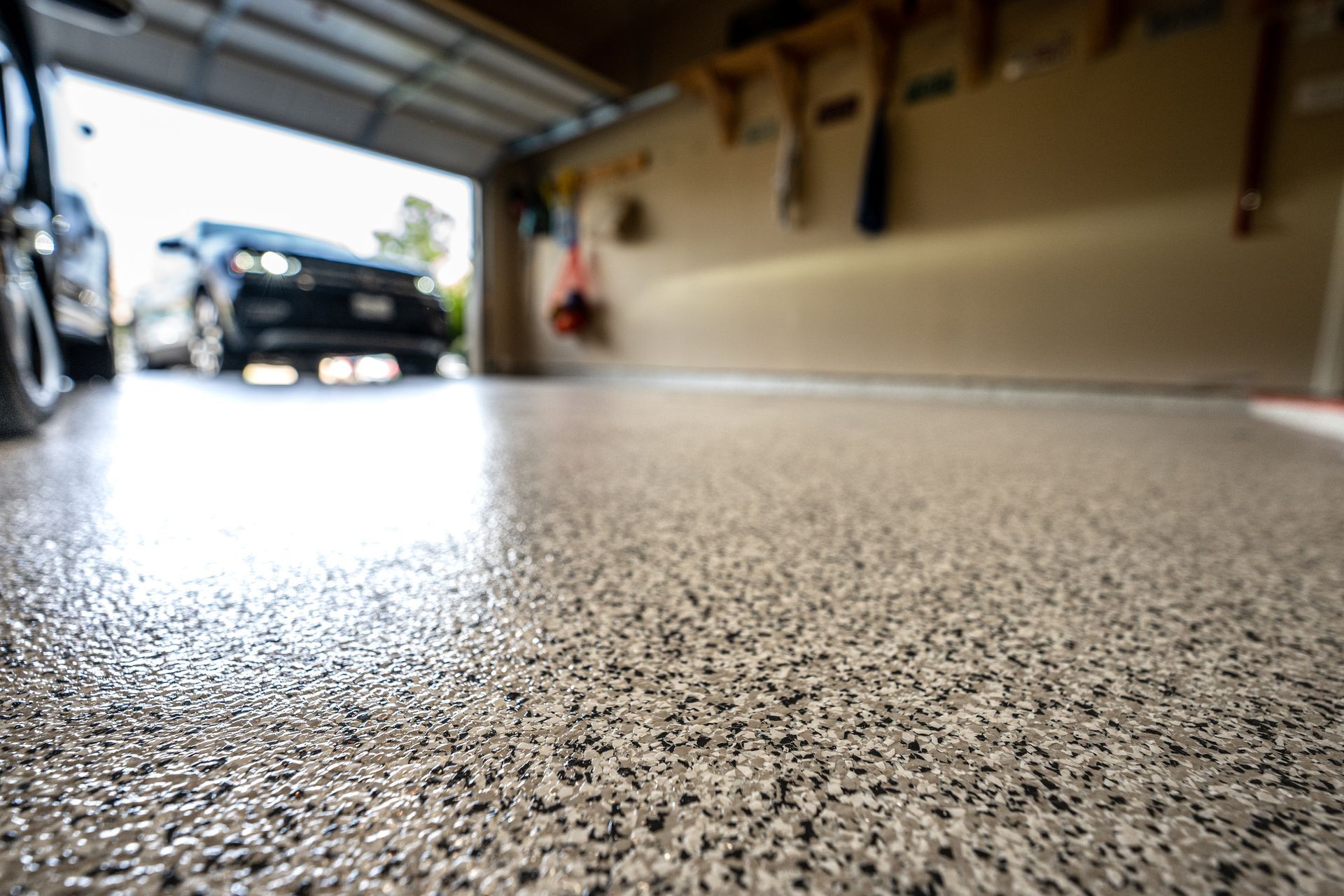
Bring Dull Concrete Surfaces Back to Life

Concrete Polishing for floors with surface scratches, stains, or worn-down finishes that need a durable, polished surface without replacement.

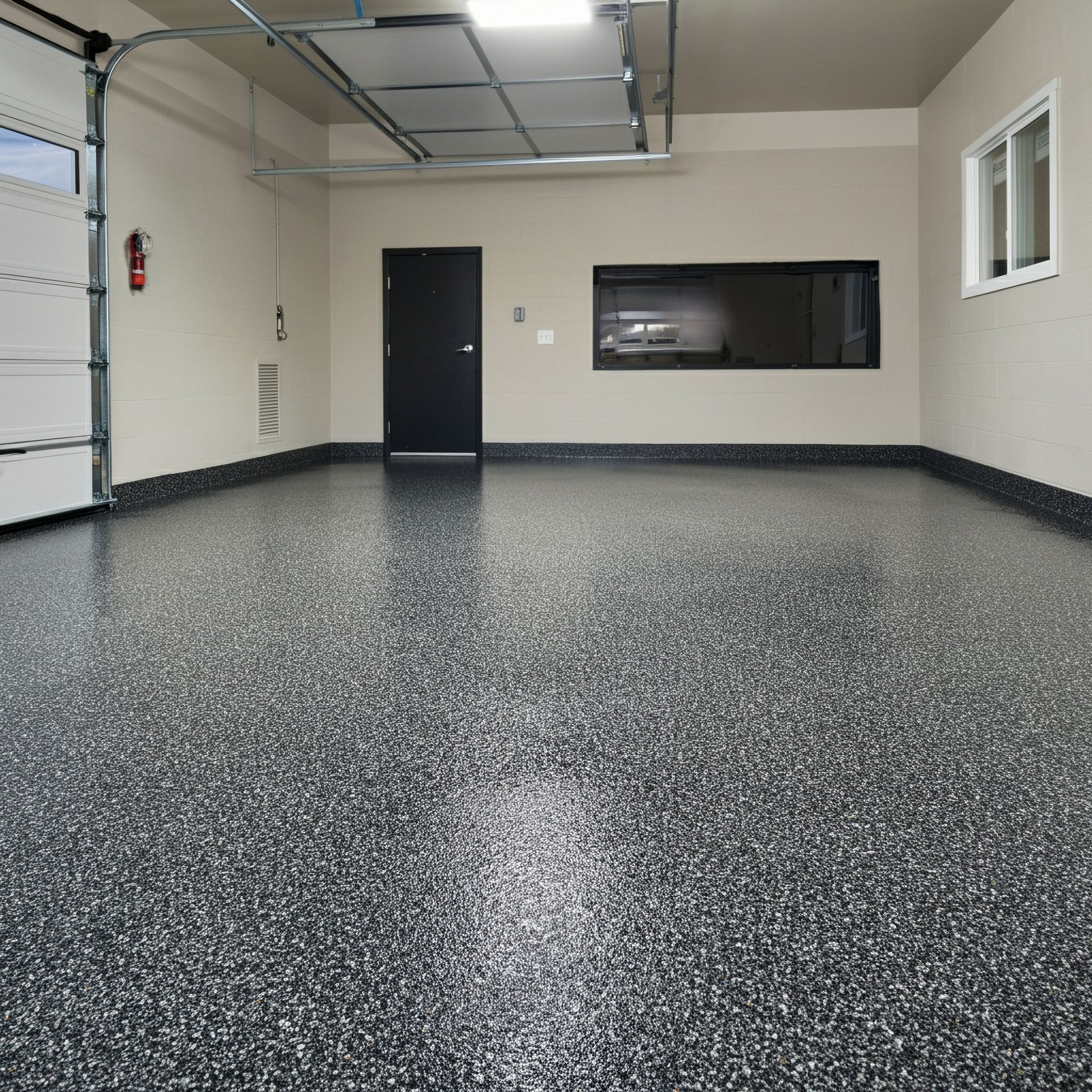
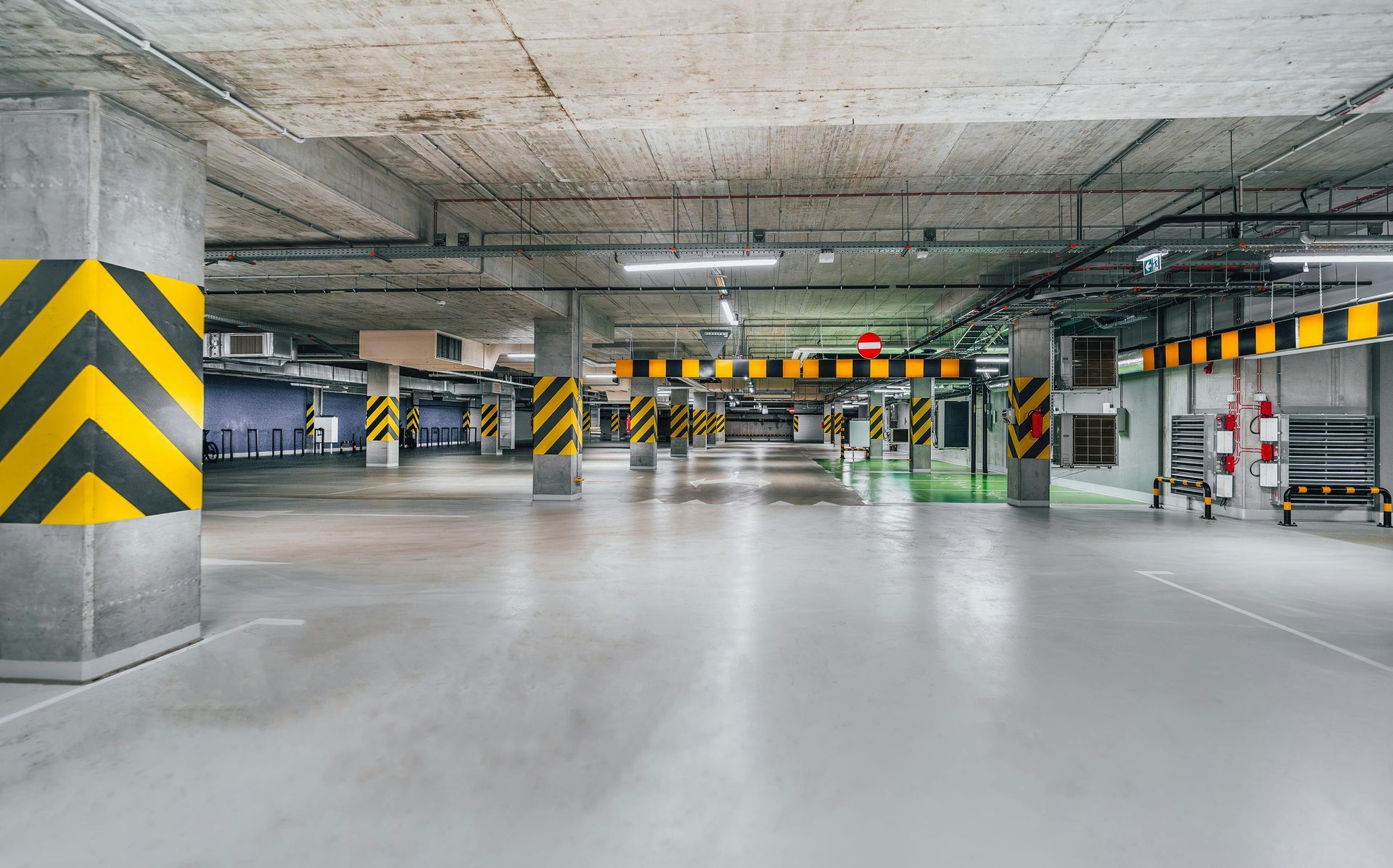
Midnight Epoxy offers concrete polishing services that turn damaged, dull, or stained concrete floors into smooth, reflective surfaces suitable for residential garages, commercial spaces, and industrial facilities. You may notice surface scratches from equipment, discoloration from spills, or a powdery residue that collects on your shoes after walking across the floor.

This service uses diamond-embedded grinding pads to remove the top layer of concrete, expose aggregate beneath the surface, and refine the finish through progressively finer grits. The process densifies the concrete, increases its resistance to moisture penetration, and produces a glossy or matte finish depending on your preference. Polished concrete eliminates the need for waxes, coatings, or sealers that require regular reapplication.

Reach out to discuss your floor condition and determine whether polishing or another surface treatment will meet your needs.

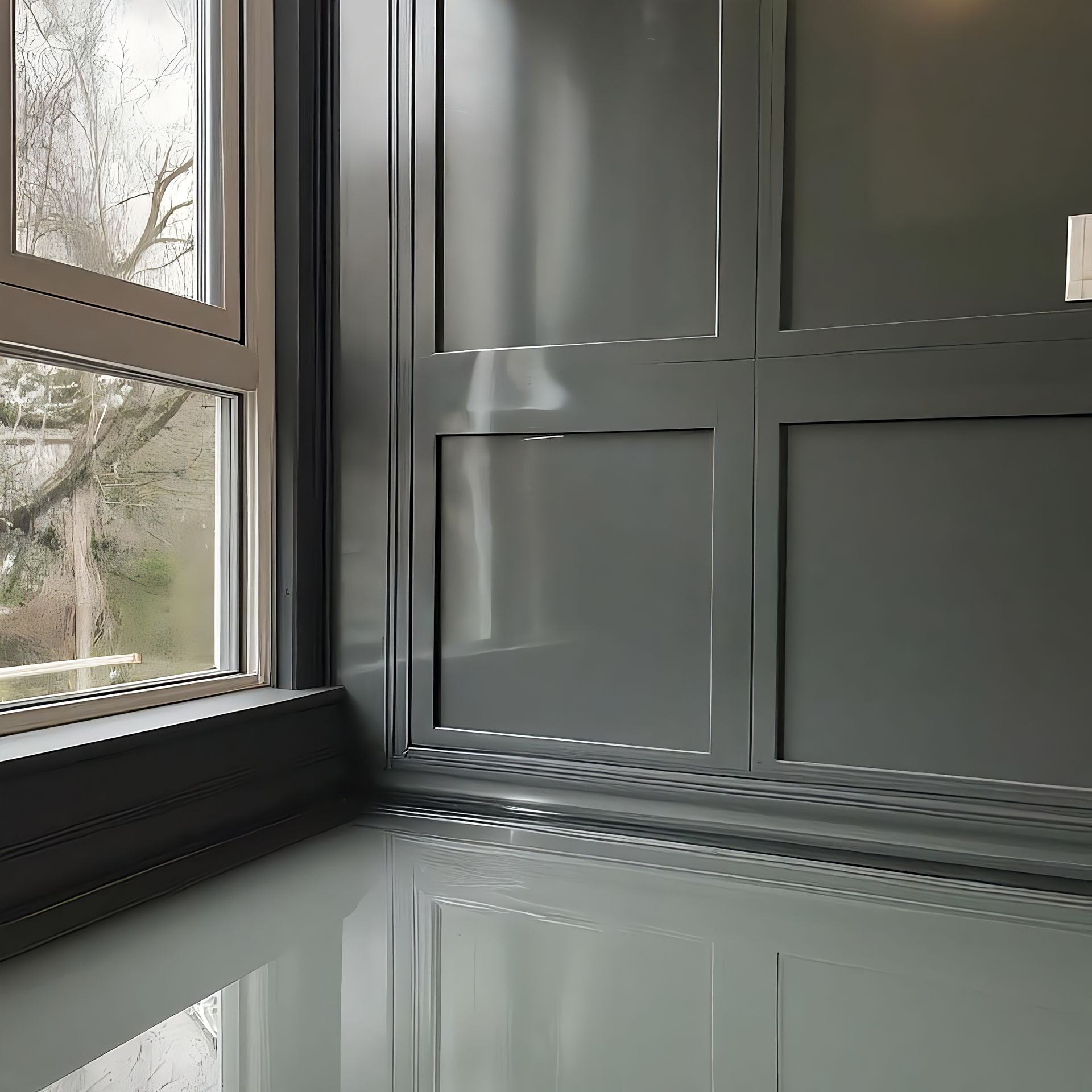
Large, glossy red and black epoxy resin surface being worked on in a workshop; a person stands nearby.

What Happens During the Grinding and Polishing Process

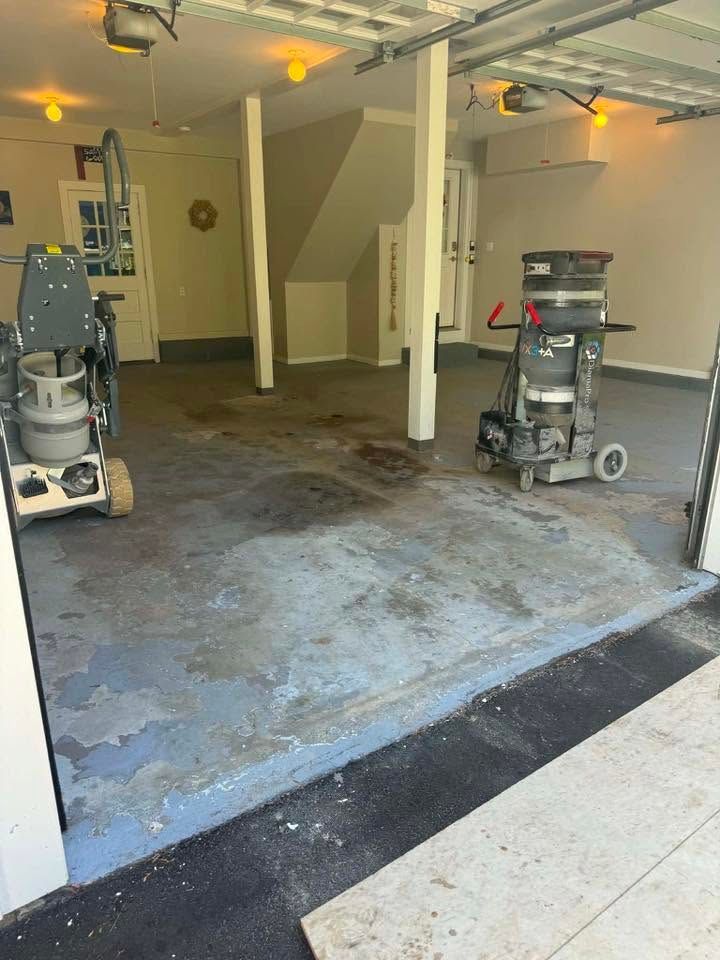
You will see the concrete surface gradually change as diamond-grit tooling removes damaged material and exposes fresh aggregate. The crew uses a planetary grinder that moves in overlapping passes to keep the floor level and avoid low spots. Coarse-grit pads remove surface imperfections, followed by medium and fine grits that refine the texture and increase light reflection.

After the final pass, your floor will have a uniform sheen and a harder surface that resists abrasion and moisture absorption. The concrete may appear darker when wet but dries to a consistent tone once curing completes. You will no longer see dust accumulation or feel rough patches underfoot.

The service does not include coating application, crack repair wider than a quarter inch, or removal of thick adhesive residue. Those conditions require separate surface prep before polishing can begin. The crew will assess your floor and identify any additional steps needed before starting the grinding process.

Common Questions About the Polishing Service

The following questions address timing, surface conditions, and what you should prepare before the crew arrives.

How long does the polishing process take for a typical garage floor?
A two-car garage typically takes one full day, depending on the number of grits required and the condition of the concrete. Heavily damaged floors may require an additional day for coarse grinding and repair work.
What happens if the concrete has cracks or spalling?
Cracks wider than a quarter inch and spalled areas need to be filled and leveled before polishing begins. The crew uses epoxy or cementitious filler that matches the surrounding concrete tone, though the repair may remain slightly visible after polishing.
Why does polished concrete not require a sealer or coating?
The grinding process densifies the concrete by closing surface pores, which reduces moisture absorption and limits staining. The polished surface resists wear without additional topical products that can delaminate or discolor over time.
What equipment do you use during the polishing service?
Midnight Epoxy uses planetary grinders with diamond-embedded pads ranging from 30 grit to 3000 grit. The equipment connects to a dust collection system that captures concrete dust during grinding to maintain air quality and visibility.
When can I walk on the floor after polishing is finished?
You can walk on the floor immediately after the final pass. Light furniture can be placed after 24 hours, and full vehicle traffic can resume after 48 hours once the surface has fully cured.

Contact Midnight Epoxy to schedule an assessment of your concrete floor and review the grit levels and finish options that match your use case and aesthetic preferences.